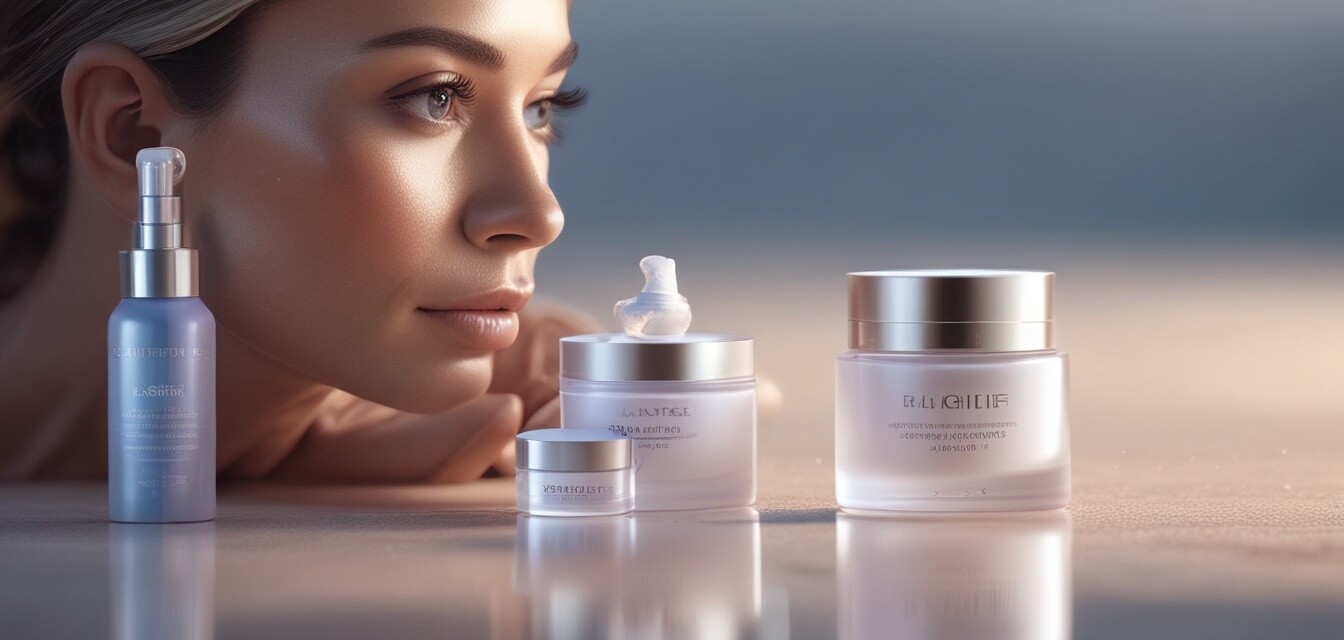
Anti-Aging Trends to Watch in 2026
Key Takeaways
- Emerging technologies will redefine anti-aging treatments.
- Sustainable beauty is becoming a priority among consumers.
- Personalized skincare experiences will enhance product effectiveness.
- Ingredient transparency will drive purchasing decisions.
- Holistic approaches to beauty are gaining popularity.
The beauty industry is ever-evolving, especially in the realm of anti-aging. As we look ahead to 2026, we can expect significant changes across various fronts, from innovative products and cutting-edge technologies to shifting consumer preferences. This article will dive into the trends that are shaping the future of anti-aging solutions.
1. Innovative skincare technologies
As we welcome 2026, technological advancements are set to revolutionize the way we approach skincare. Here are some technologies to keep an eye on:
| Technology | Description |
|---|---|
| 3D Bioprinting | Creates personalized skin products tailored to individual skin types. |
| AI Skin Analysis | Utilizes artificial intelligence to analyze skin conditions and suggest personalized regimens. |
| Microneedling Devices | Employs at-home devices that stimulate collagen production with minimal invasion. |
2. Sustainable beauty practices
Consumers are increasingly prioritizing sustainability. Here are some key aspects influencing this trend:
- Eco-friendly packaging is becoming a must-have.
- Brands are focusing on clean ingredients without harmful chemicals.
- Transparency in sourcing and production is crucial.
This shift towards sustainability aligns with rising awareness about the environment and personal health. For more on how to choose sustainable products, check out our guide on buying eco-friendly skincare products.
3. Personalized skincare experiences
In 2026, skincare routines are increasingly personalized. This trend is driven by:
- Customized formulations created based on individual skin goals.
- Skincare quizzes that help consumers find the perfect product match.
- Subscriber-based services that offer tailored monthly boxes.
With personalization, consumers are likely to see enhanced results and a greater satisfaction level with their skincare routines. To learn more about personalized products, visit our section on serums and oils.
4. Ingredient transparency
More than ever, consumers are demanding clear information about the ingredients in their skincare products. This trend involves:
- Brands disclosing the source and efficacy of their ingredients.
- Educational content helping customers understand what to look for.
- Increased scrutiny on ingredient lists by consumers and regulatory bodies.
Transparency enhances trust, making it easier for consumers to choose products that align with their values. For insights into trending ingredients, check our blog on latest ingredients in anti-aging.
5. Holistic beauty approaches
Finally, 2026 is likely to witness a rise in holistic approaches to beauty that address not just physical appearance but emotional well-being. This includes:
- Mindfulness practices integrated with skincare routines.
- Community-based workshops focused on beauty from within.
- Emphasis on self-care rituals that promote relaxation.
By adopting a holistic view, individuals can cultivate a balanced approach to beauty and well-being. For tips on self-care and mindfulness in beauty, visit our tips and advice section at Tips & Advice.
Pros
- Innovations provide more effective solutions and individualized care.
- Sustainability efforts lead to environmentally conscious consumption.
- Real-time feedback through technological advancements improves products.
Cons
- New technologies may come with higher price points.
- Personalization requires data, raising privacy concerns.
- Some consumers may find the abundance of choices overwhelming.
Conclusion
As we look towards 2026, the landscape of anti-aging is illuminated by promising trends that focus on technology, sustainability, and personalization. Understanding these developments will empower consumers to make informed choices about their skincare. Keeping an eye on these trends not only helps one stay beautiful but also embrace a more youthful and radiant existence.