Anti-Aging Serums
Key Takeaways
- Anti-aging serums are concentrated formulas designed to address signs of aging.
- Different serums cater to various skin types and concerns.
- Key ingredients include retinol, hyaluronic acid, and vitamin C.
- Consistent usage can lead to improved skin texture and appearance.
- Always perform a patch test before trying new products.
As we age, our skin undergoes various changes that can lead to fine lines, wrinkles, and loss of elasticity. Anti-aging serums have become a popular solution for many seeking to rejuvenate their skin. This detailed guide explores the world of anti-aging serums, helping you choose the best ones for your skin type.
What are anti-aging serums?
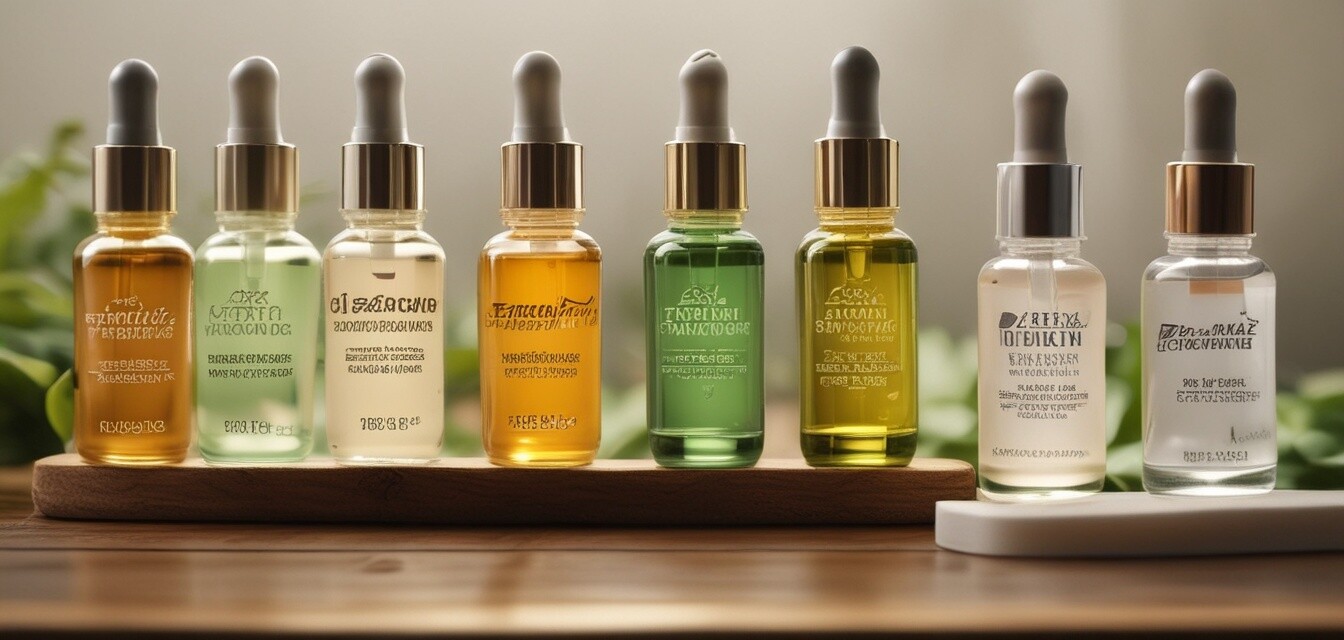
Anti-aging serums are lightweight, fast-absorbing liquids designed to deliver powerful ingredients deep into the skin. Unlike traditional creams, serums contain a higher concentration of active ingredients, making them effective in addressing specific skin concerns.
Key ingredients in anti-aging serums
| Ingredient | Benefits |
|---|---|
| Retinol | Stimulates collagen production and reduces fine lines. |
| Hyaluronic Acid | Hydrates and plumps the skin, reducing the appearance of wrinkles. |
| Vitamin C | Brightens skin tone and protects against environmental damage. |
| Peptides | Promotes skin elasticity and firmness. |
| Niacinamide | Improves skin texture and reduces the appearance of pores. |
Choosing the right serum for your skin type
Different skin types may react differently to various ingredients. Here’s a breakdown to help you choose the right serum:
Skin type guide
- Dry skin: Look for serums containing hyaluronic acid and oils for added moisture.
- Oily skin: Choose lightweight, oil-free serums with niacinamide or salicylic acid.
- Sensitive skin: Opt for calming serums with ingredients like chamomile or aloe vera.
- Combination skin: A balanced serum with a mix of hydrating and oil-controlling ingredients works best.
How to apply anti-aging serums
Applying anti-aging serums correctly can maximize their benefits. Follow these simple steps:
- Start with a clean face. Use a gentle cleanser to remove dirt and makeup.
- Apply toner (optional) to prepare your skin for better absorption.
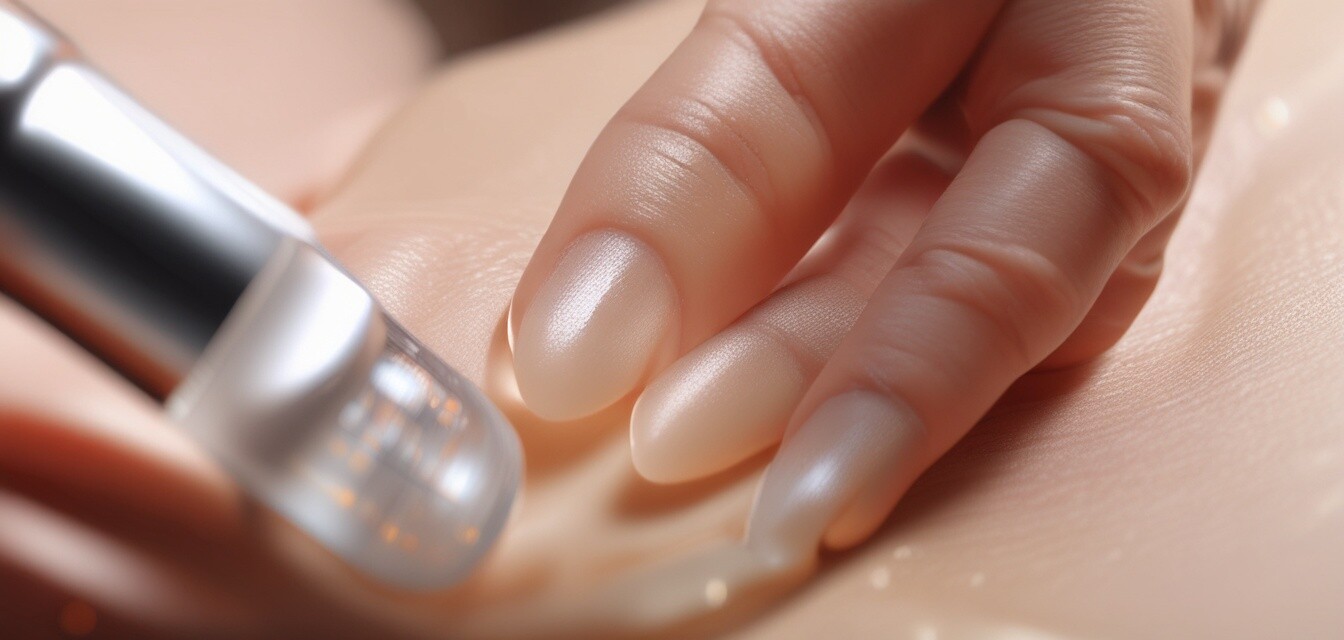
- Dispense a few drops of serum onto your fingertips.
- Gently pat the serum onto your face and neck, avoiding the eye area.
- Follow with a moisturizer to lock in hydration.
- Use sunscreen during the day, especially if your serum contains retinol or vitamin C.
Pros and cons of anti-aging serums
Pros
- Highly concentrated formulations for effective results.
- Variety of options available for different skin concerns.
- Lightweight texture that absorbs quickly.
- Can be layered under moisturizers and sunscreen.
Cons
- Some ingredients can cause irritation, especially for sensitive skin.
- Results may take time to become noticeable.
- Can be more expensive than traditional creams.
- Requires consistent use for optimal results.
Top anti-aging serums on the market
While we won't recommend specific products, here are some popular types of serums you may encounter:
| Type of Serum | Key Ingredients | Best For |
|---|---|---|
| Retinol Serum | Retinol, peptides | Reducing wrinkles and fine lines. |
| Vitamin C Serum | Vitamin C, ferulic acid | Brightening and protecting the skin. |
| Hydrating Serum | Hyaluronic acid, glycerin | Moisturizing dry skin. |
| Anti-Aging Oil | Natural oils, antioxidants | Boosting skin radiance. |
Common FAQs about anti-aging serums
1. How often should I use an anti-aging serum?
Most serums can be used once or twice daily, depending on the formulation and your skin's tolerance.
2. Can I use multiple serums together?
Yes, layering serums is common. Start with the thinnest consistency and work your way up.
3. At what age should I start using anti-aging serums?
It's generally recommended to start in your late 20s or early 30s as a preventive measure.
4. Are there any side effects?
Some people may experience irritation, especially with retinol or active ingredients. Always do a patch test.
5. What is the difference between a serum and a moisturizer?
Serums are lightweight and focused on delivering active ingredients, while moisturizers provide hydration and lock in moisture.
Conclusion
Choosing the right anti-aging serum can significantly enhance your skincare routine. By understanding your skin type and the ingredients that work best for you, you can combat the signs of aging effectively. For more tips on skincare, check out our other categories like anti-aging creams and eye treatments.