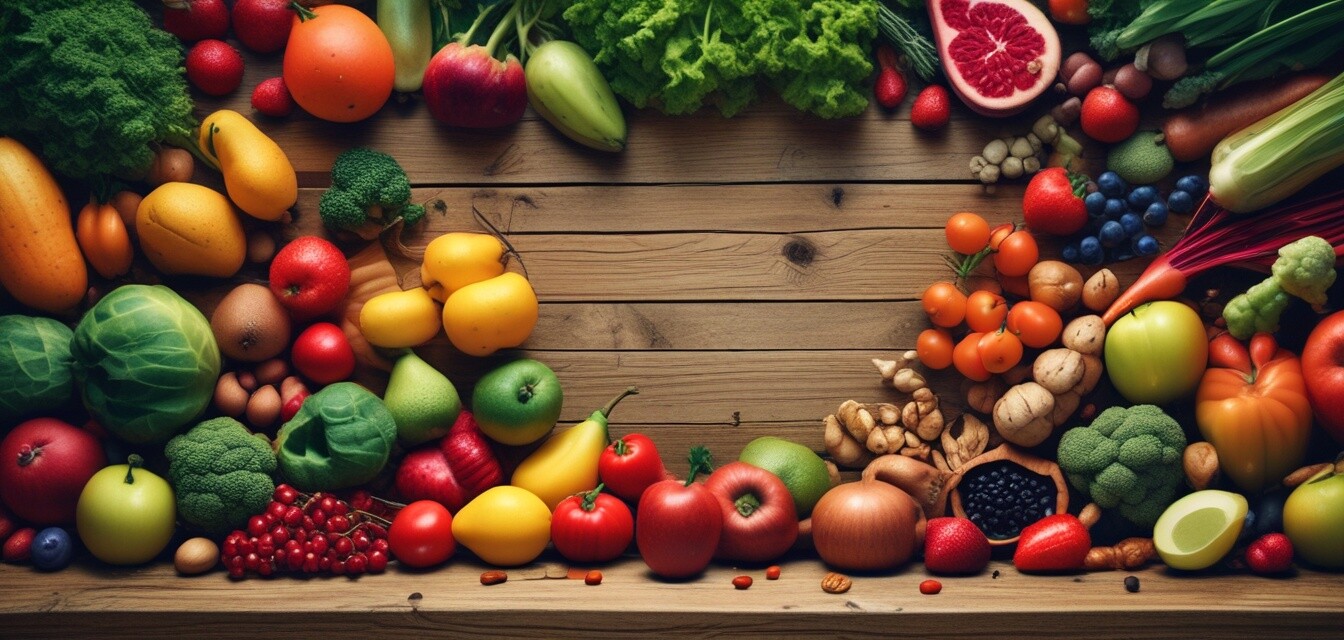
Anti-Aging Diet and Nutrition
Key Takeaways
- A balanced diet rich in antioxidants can help reduce signs of aging.
- Hydration plays a crucial role in maintaining youthful skin.
- Incorporating omega-3 fatty acids is beneficial for overall health.
- Regular meals can help stabilize energy levels and promote good health.
As we age, the choices we make regarding our diet and nutrition can significantly influence how we look and feel. An anti-aging diet focuses on nourishing the body with nutrient-rich foods that promote skin health and overall well-being. In this guide, we explore essential components, dietary habits, and tips on how to optimize your nutrition for anti-aging benefits.
Understanding Anti-Aging Nutrition
Nutrition plays a vital role in the aging process. Foods can affect not only our appearance but also our internal health. Below, we highlight key nutrients that are known for their anti-aging properties.
| Nutrient | Benefits | Food Sources |
|---|---|---|
| Antioxidants | Combat oxidative stress and inflammation | Blueberries, dark chocolate, green tea |
| Omega-3 Fatty Acids | Supports heart health and skin elasticity | Fatty fish, walnuts, flaxseeds |
| Vitamins C & E | Important for skin repair and protection | Citrus fruits, almonds, spinach |
| Protein | Essential for tissue repair and muscle mass | Lean meats, legumes, dairy products |
Key Anti-Aging Foods
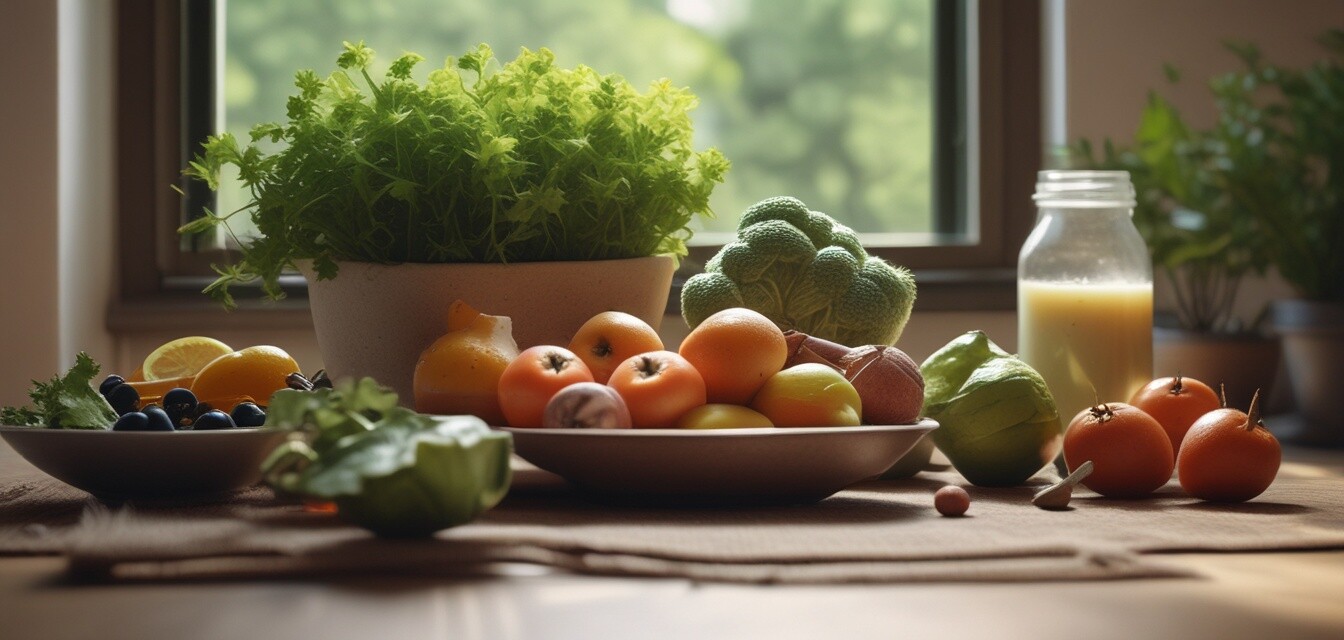
In addition to nutrient-rich options, some foods stand out for their anti-aging potential. Here are some must-haves to consider for your diet:
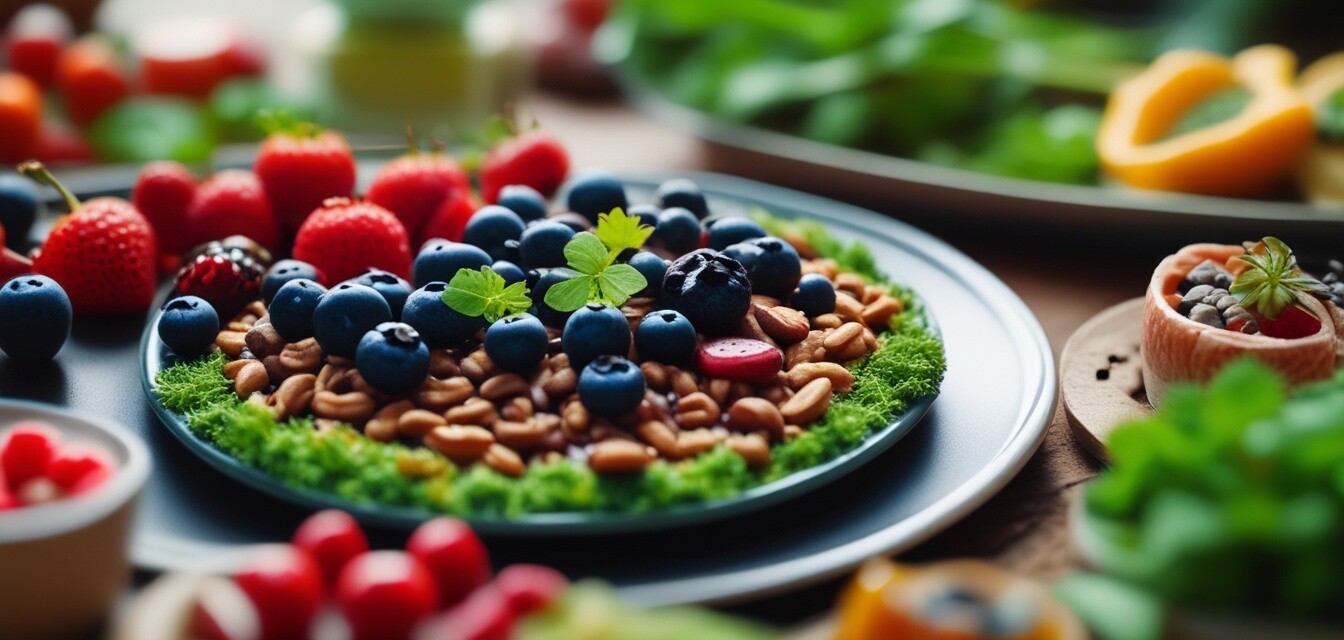
- Berries: Both blueberries and strawberries are packed with vitamins and antioxidants.
- Leafy Greens: Spinach and kale are great for skin and overall health.
- Nuts and Seeds: Almonds and chia seeds are excellent sources of healthy fats.
- Whole Grains: Oats, quinoa, and brown rice provide beneficial fiber.
- Fish: Salmon is rich in omega-3 fatty acids that promote a youthful appearance.
Hydration and Its Role
Staying hydrated is essential for maintaining skin elasticity and overall health. Here are some hydration tips:
- Drink at least 8 cups of water daily.
- Incorporate hydrating foods like cucumber and watermelon.
- Limit sugary drinks and caffeine which can dehydrate.
Meal Planning for Anti-Aging
Planning meals with a focus on anti-aging can help you stay on track. Here’s a simple meal plan to inspire your kitchen:
| Meal | Example |
|---|---|
| Breakfast | Overnight oats topped with berries and chia seeds |
| Lunch | Quinoa salad with leafy greens, olive oil, and nuts |
| Dinner | Grilled salmon with steamed vegetables and sweet potatoes |
| Snacks | Greek yogurt with honey and walnuts |
Supplements and Anti-Aging
While a balanced diet is essential, some may consider supplements to support their anti-aging efforts:
- Collagen: Supports skin structure.
- Vitamin D: Important for bone health.
- Probiotics: Beneficial for gut health.
Pros
- Can improve skin health and appearance.
- Provides essential nutrients supporting overall health.
- Can enhance energy levels and mood.
Cons
- Requires commitment to meal planning and preparation.
- Some may find it challenging to maintain dietary changes.
- Increased costs for high-quality foods.
Conclusion
Incorporating an anti-aging diet is a proactive way to impact your health as you age. By focusing on nutrient-dense foods, staying hydrated, and planning meals mindfully, you can cultivate a lifestyle that supports not only a youthful appearance but overall well-being. To dive deeper into specific anti-aging products, check our sections on anti-aging creams, eye treatments, and facial masks.
Tips for Beginners
- Start slow by adding one new healthy food to your diet each week.
- Keep a food diary to track your nutrient intake.
- Pair up with a friend to stay accountable.
Further Reading
For additional information on maintaining a youthful appearance, explore our reviews on serums and oils or learn about the benefits of innovative tools and devices that can enhance your skincare routine.