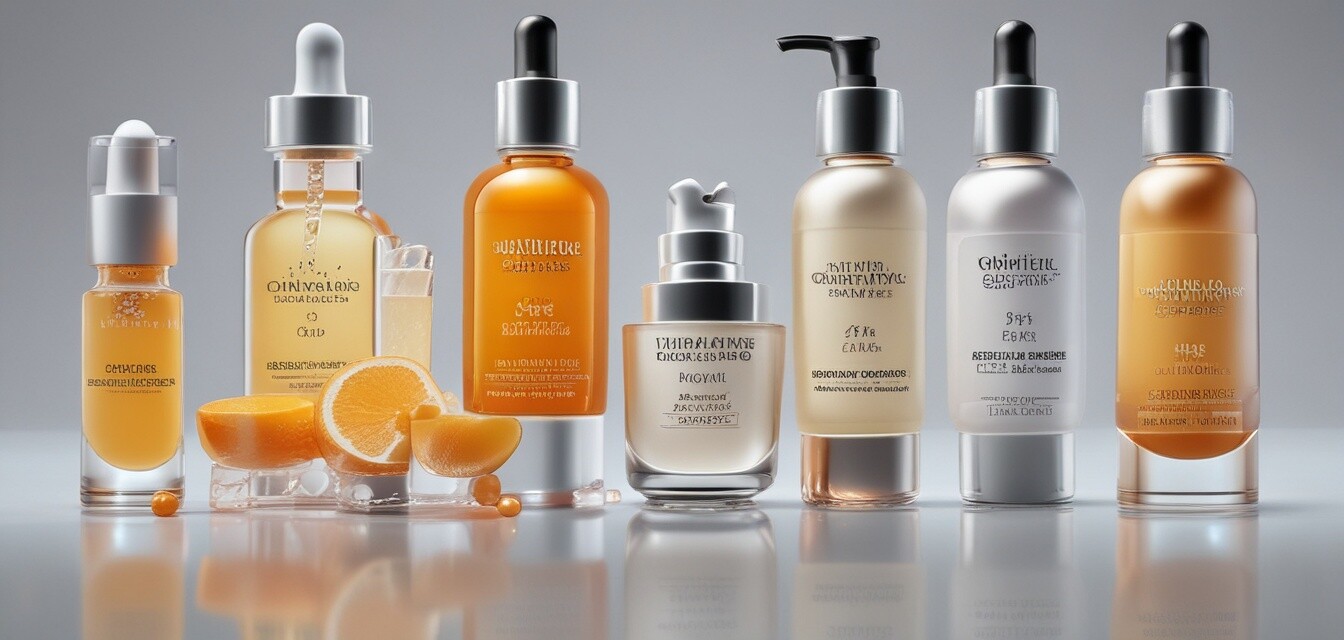
Essential Ingredients to Look For in Serums
Key Takeaways
- Understanding serums is crucial for effective anti-aging skincare.
- Ingredients like hyaluronic acid, retinol, and vitamin C are powerful in combatting signs of aging.
- Choosing serums based on skin type can enhance effectiveness.
- Always consider the formulation and concentration of ingredients.
When it comes to anti-aging skincare, serums play a vital role. They are lightweight, packed with ingredients that deliver potent benefits directly to the skin. However, not all serums are created equal. Knowing which ingredients to look for can make a significant difference in your skincare routine. This guide will explore essential ingredients found in serums and how they contribute to your skin's health and appearance.
Why Are Ingredients Important?
The effectiveness of a serum largely depends on its ingredients. These components influence how well the product hydrates, smooths, and improves the overall texture of your skin. Being aware of what certain ingredients can do will help you choose the right one for your needs.
Common Ingredients to Consider
| Ingredient | Benefits | Skin Type |
|---|---|---|
| Hyaluronic Acid | Hydration and moisture retention | All skin types |
| Retinol | Reduces fine lines and improves skin texture | Normal to oily skin |
| Vitamin C | Boosts radiance and evens skin tone | All skin types |
| Peptides | Supports skin barrier and elasticity | Sensitive skin |
| Niacinamide | Minimizes pores and soothes skin irritation | Oily and combination skin |
Ingredient Breakdown
Hyaluronic Acid
Hyaluronic Acid is a naturally occurring substance in the body that can hold up to 1000 times its weight in water. This makes it an outstanding hydrator. Using serums with hyaluronic acid can help plump your skin and reduce the appearance of fine lines. It is gentle enough for all skin types and can be used in varying concentrations depending on skin needs.
Retinol
Retinol, a derivative of vitamin A, is renowned for its anti-aging properties. It accelerates cell turnover and helps reduce the appearance of wrinkles. While effective, it may cause irritation for some skin types, so starting with a lower concentration and gradually increasing is advisable.
Vitamin C
Vitamin C is not only an antioxidant but also promotes collagen production. This helps diminish the visibility of dark spots and enhances skin brightness. It's particularly beneficial during the daytime when your skin is subject to environmental stressors.
Peptides
Peptides are short chains of amino acids that help to improve the skin's barrier function. They signal the skin to increase the production of collagen and elastin, leading to firmer, more youthful skin. Peptides are generally well-tolerated even on sensitive skin.
Niacinamide
Niacinamide, or vitamin B3, has multiple benefits, including minimizing pores and improving skin texture. It also helps brighten skin and blurs imperfections, making it a great choice for oily and combination skin types.
How to Choose the Right Serum
Choosing the right serum can be an overwhelming process, especially with so many options available. Here are a few tips to help you select a serum that fits your needs:
Tips for Choosing Anti-Aging Serums
- Identify your skin type: Understand whether your skin is oily, dry, sensitive, or a combination.
- Look for targeted benefits: Decide what issues you want to address, such as hydration, wrinkles, or dark spots.
- Check the concentration: Ensure the ingredients are present in effective concentrations.
- Consider the formulation: Some serums are better suited for layering, while others are best used alone.
- Patch test new products: Always do a patch test to check for any adverse reactions before applying a new serum to your face.
Conclusion
Understanding the essential ingredients to look for in anti-aging serums is key to achieving healthier, more youthful-looking skin. With options available for all skin types and concerns, you can take an informed approach to your skincare regimen. Remember to consider your specific skin needs and preferences, and consult with professionals if needed. For those ready to dive deeper into anti-aging products, check out our Serums and Oils section for detailed reviews of the best serum products available.
Pros
- Offers lightweight, fast-absorbing formulations.
- Target multiple skin concerns effectively.
- Potent ingredient delivery for noticeable results.
Cons
- Can be more expensive than traditional creams.
- Some ingredients may irritate sensitive skin.
- Choosing the right product can be overwhelming.
Explore more about specific products in our Buying Guides and stay updated with the latest in anti-aging innovations!